Table of Contents
Introduction
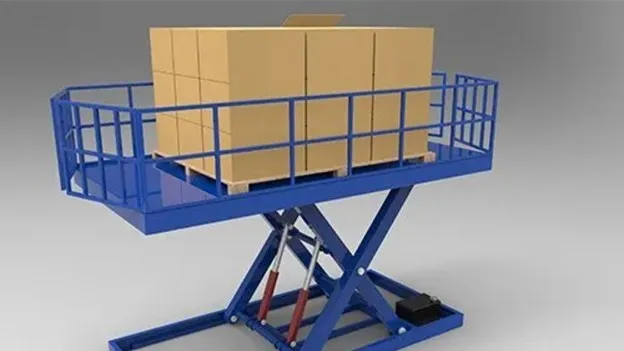
Vehicle loading equipment is essential for ensuring efficient and safe operations in any facility handling automobiles. Morn Lift, a leading name in the industry, offers a range of high-quality equipment designed to meet various needs. In this guide, we’ll explore essential safety tips to keep in mind when using vehicle loading equipment. With Morn Lift, you can ensure that your operations are not only efficient but also safe for everyone involved.
Understand the Equipment
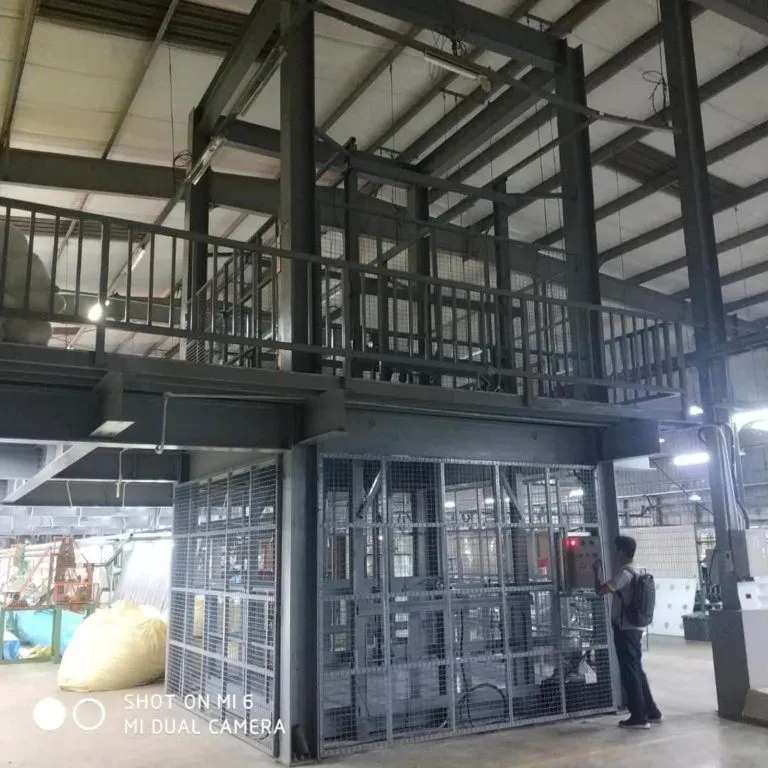
Before using any vehicle loading equipment like a hydraulic lift, car scissor lift, or man lifts, it is crucial to understand how each piece operates. Read the manufacturer’s manual thoroughly to get familiar with the safety features, operating procedures, and maintenance requirements. Regular training sessions should be conducted for all employees to ensure they are well-versed with the equipment.
Conduct Regular Inspections
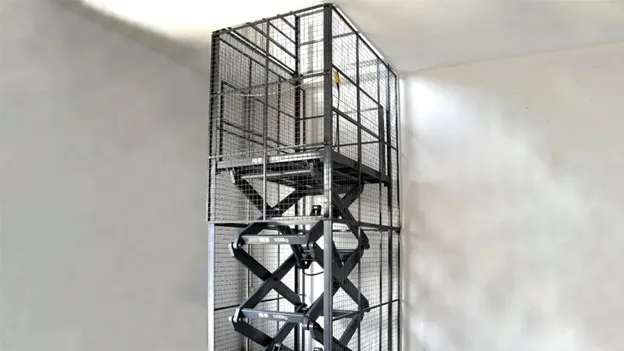
Regular inspections are essential for maintaining the safety and functionality of your equipment. Check for any signs of wear and tear, and ensure that hydraulic lifts, scissor lifts, and freight elevators are in good working condition. Any issues should be addressed immediately to prevent accidents. Keeping a detailed log of all inspections and maintenance can help in identifying recurring problems and planning preventive measures.
Use the Right Equipment for the Job
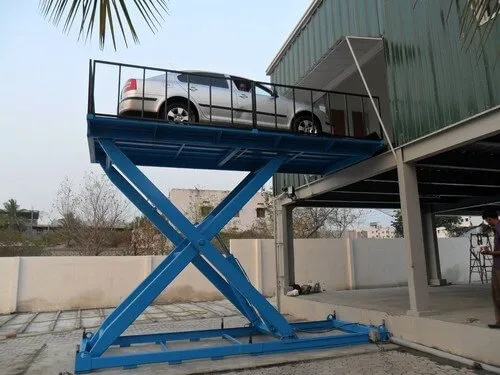
Using the right equipment for the task at hand is crucial. For instance, a scissor lift for sale might be ideal for lifting cars in a garage, while a cherry picker lift is more suitable for accessing higher areas. Assess the specific needs of your facility and choose the appropriate equipment, whether it’s a hydraulic car lift, aerial lifts, or a single man lift.
Train Your Staff
Proper training cannot be overstated when it comes to operating vehicle loading equipment. Ensure that all staff members are trained in using car lifts for sale, scissor car lifts, and bucket lifts. Training should include understanding the load capacity, safety features, and emergency procedures. Regular refresher courses can help keep everyone updated on the latest safety protocols.
Implement Safety Protocols
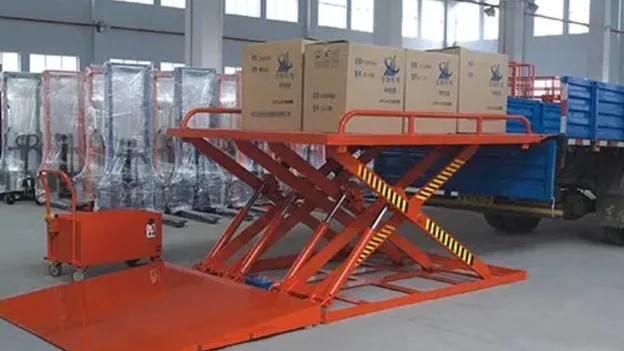
Establish and enforce safety protocols in your facility. This includes wearing appropriate safety gear, following operating procedures, and ensuring that the work area is free of obstructions. For instance, when using a hydraulic auto lift or a construction lift, ensure that the area is clear of any objects that could cause tripping or falling hazards.
Load Capacity Awareness
Always adhere to the load capacity limits specified for your equipment. Overloading can lead to equipment failure and accidents. For example, a vehicle scissor lift has a specific weight limit that should not be exceeded. Knowing the capacity limits for hydraulic car lifts and cargo elevators is crucial for safe operations.
Proper Use of Safety Features
Modern vehicle loading equipment comes with various safety features designed to prevent accidents. Ensure that these features are always engaged. For instance, a scissor lift table may have emergency stop buttons and safety locks that must be used correctly. Familiarize yourself with these features and incorporate them into your daily operations.
Clear Communication
Clear communication is vital when operating vehicle loading equipment. Use signals or communication devices to ensure that everyone involved is aware of the operations. For example, when using a telescopic boom lift or a bucket lift, make sure there is a clear line of communication between the operator and the ground staff to prevent mishaps.
Maintain Clean Work Areas
A clean and organized work area reduces the risk of accidents. Ensure that the area around your automotive scissor lift, hydraulic vehicle lift, and loading dock ramps is free of debris and spills. Regular housekeeping practices should be in place to keep the work environment safe and efficient.
Emergency Procedures
Have clear emergency procedures in place for different scenarios. This includes knowing how to safely lower a car on a hydraulic lift during a power outage or dealing with equipment malfunctions. Training staff on these procedures can make a significant difference in minimizing the impact of emergencies.
Regular Maintenance
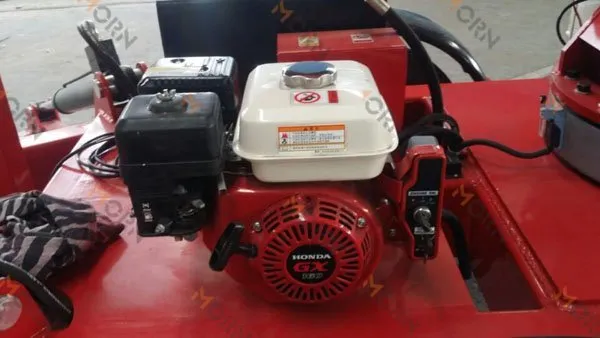
Routine maintenance is crucial for the longevity and safe operation of your equipment. Follow the manufacturer’s recommendations for servicing your scissor lifts for sale, cargo lifts, and electric platform lifts. Regular maintenance checks can help identify potential issues before they become serious problems.
Use of Personal Protective Equipment (PPE)
Ensure that all employees use appropriate PPE when operating vehicle loading equipment. This includes helmets, gloves, and safety shoes. Proper use of PPE can prevent injuries and ensure a safer working environment.
Avoid Distractions
Operating vehicle loading equipment requires full attention. Avoid using mobile phones or engaging in conversations while operating hydraulic lifts, scissor lifts, or any other equipment. Distractions can lead to accidents and injuries.
Safety Signage
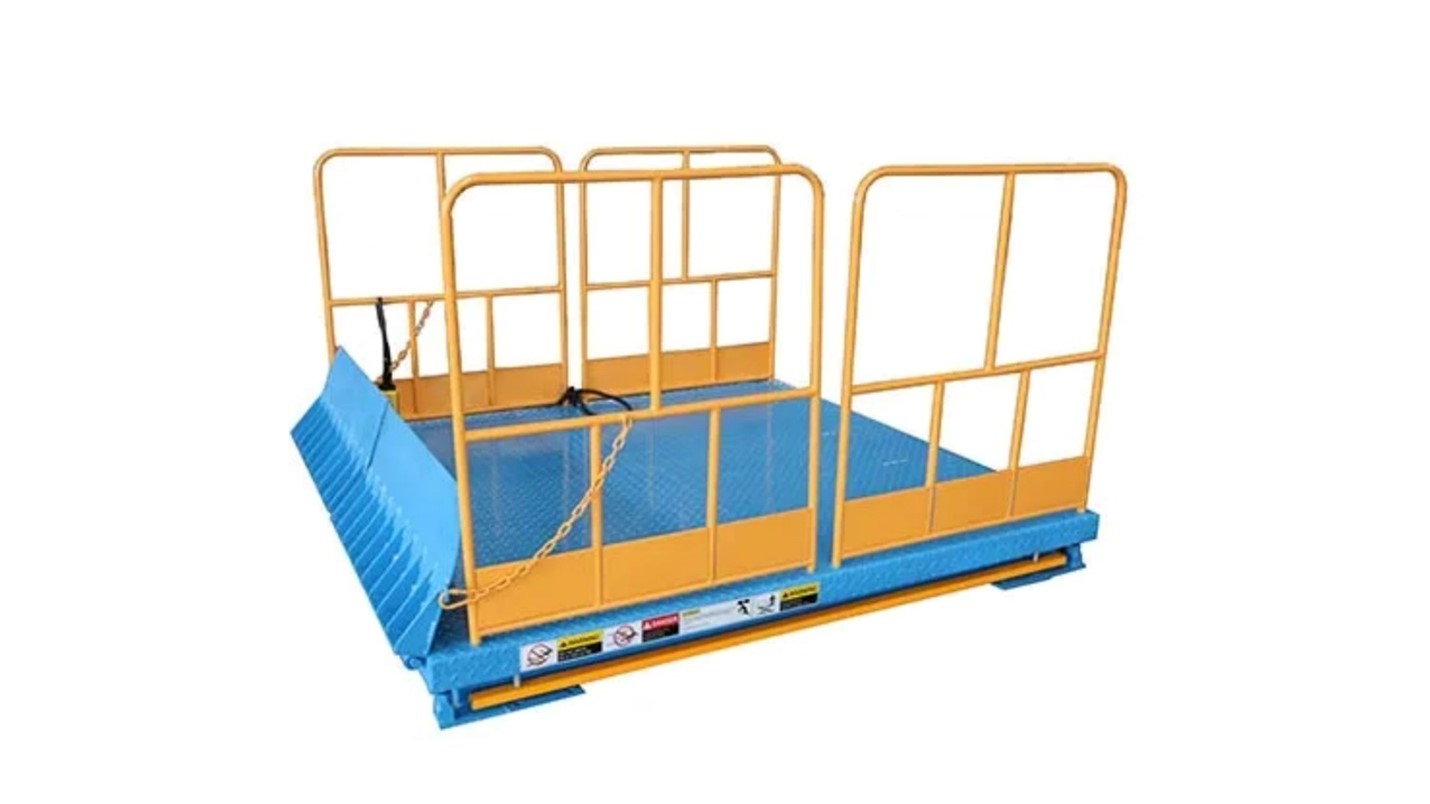
Install clear and visible safety signage around the equipment. Signs indicating load limits, operating instructions, and emergency procedures can serve as constant reminders for safe operations.
Conclusion
Safety should always be the top priority when using vehicle loading equipment in your facility. By following these tips, you can ensure that your operations run smoothly and safely. Morn Lift offers reliable and high-quality equipment that can help you achieve this goal. Remember, regular training, proper maintenance, and adherence to safety protocols are key to preventing accidents and ensuring a safe working environment.
Ready to upgrade your facility with top-notch vehicle loading equipment? Choose Morn Lift for reliable and safe solutions. Contact us today to learn more about our products and services.